
Bachelor of Physiothearpy - UEA
Entry Requirements
AAB including Biology, Human Biology, or PE.
Course Information
About This Course
Bachelor of Physiotherapy - UEA
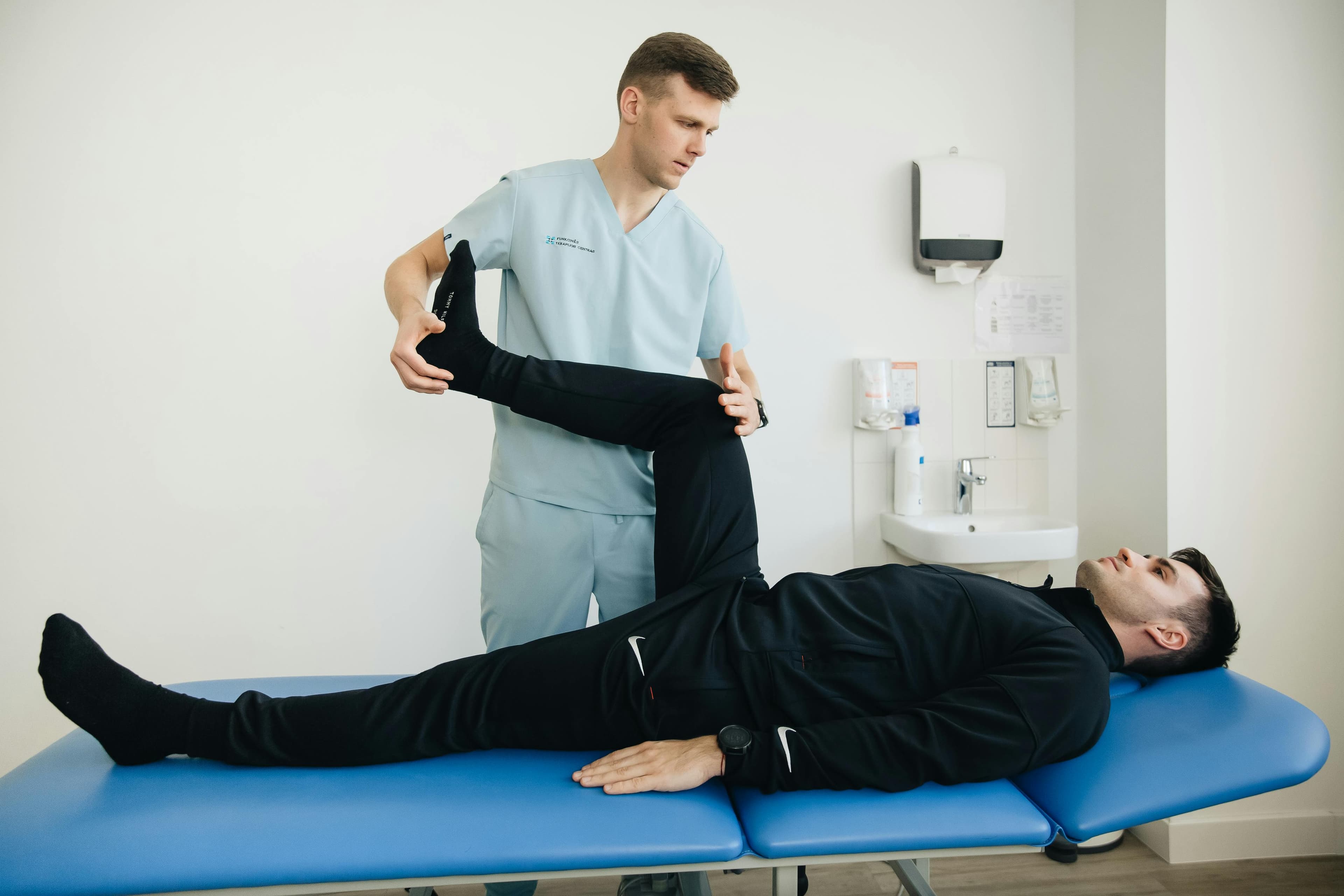
The BSc Physiotherapy at UEA is a dynamic three-year programme, ranked among the top in the UK (for example, UEA was 9th for Physiotherapy in Complete University Guide 2026). It trains you to become a skilled physiotherapist capable of helping people regain movement, function, and quality of life. From sports injuries to stroke rehabilitation, you’ll learn how to assess and treat a wide range of conditions using physical approaches. Hands-on learning is at the heart of UEA’s physiotherapy course – you won’t be sitting in large lecture halls all the time. Instead, you’ll spend much of your time in practical classes, working in small groups in specialist physio labs equipped with plinths (treatment tables), exercise equipment, gait analysis tools and more. Under the guidance of experienced clinicians, you’ll practice techniques like joint mobilization, therapeutic massage, exercise prescription, and gait re-education on peers and models, so that you build confidence in your manual skills. By the time you treat real patients, you’ve already honed your touch and approach.
The programme emphasizes an evidence-based and holistic approach. In your first year, you’ll gain a strong foundation in human anatomy (including cadaveric anatomy sessions – UEA has an excellent anatomy facility), physiology, biomechanics and the principles of exercise science. You’ll also be introduced early to clinical reasoning through case-based learning – for example, discussing how you would manage a patient with a knee injury, integrating knowledge of anatomy and healing processes. As you progress to second and third year, the focus shifts more to clinical specialisms: musculoskeletal physiotherapy (e.g. sports injuries, orthopedics), neurological physiotherapy (rehabilitation after strokes, spinal cord injuries, etc.), and cardiorespiratory physiotherapy (helping patients with heart and lung conditions, post-surgery or in ICU). UEA’s teaching approach is very interactive; many modules use real patient stories and scenarios to frame your learning, so you always see the human context behind the theory. You’ll also benefit from learning alongside other healthcare students for certain sessions – reflecting how physios often work in teams with occupational therapists, nurses, doctors. For instance, there may be interprofessional workshops on patient safety or communication, where you team up to solve a case. This fosters respect and understanding across professions.
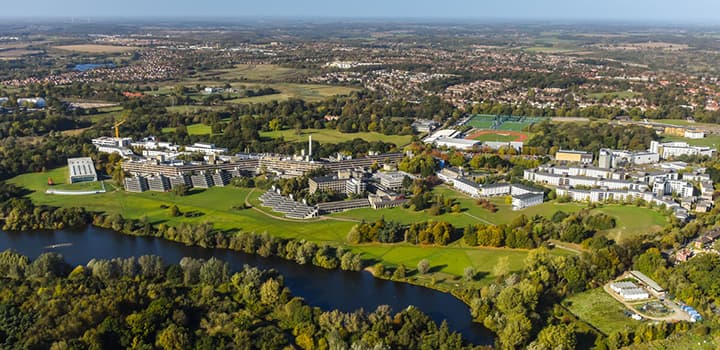
The programme is accredited by the Chartered Society of Physiotherapy (CSP) and approved by the Health and Care Professions Council (HCPC). This means upon graduating, you’re eligible to register as a physiotherapist in the UK and also become a member of the professional body (CSP). The accreditation ensures that the course covers all necessary competencies – so you can be confident your UEA degree is recognized for practice not only in the UK but also broadly internationally. (Many countries acknowledge UK physio qualifications, though some may have additional licensing exams – e.g., the US NPTE or local registration tests in Asia – which your comprehensive training will prepare you for). UEA is proud of its reputation in physiotherapy education; as noted, it ranks highly and is known for producing graduates who are day-one ready to start their clinical roles. Norwich itself, where UEA is based, is a fantastic place to study physiotherapy: a vibrant yet affordable city with excellent sports facilities (including UEA’s own SportsPark with Olympic-sized pool and gyms) and a community that values active living. Many local sports teams and events offer volunteering opportunities – you could, for example, volunteer as a first aider at a Norwich Marathon or with a football club, applying and refining your skills outside class. This kind of integrated university experience means you graduate not only with a degree, but with real confidence and a network of professional connections.
Career Prospects
Physiotherapy is a profession with excellent employment prospects and a wide global demand. UEA’s graduates are highly sought after – indeed, physiotherapy is a field where nearly 100% of graduates find relevant work within six months of finishing, often sooner (many even secure jobs at their final placement site!). As a UEA-trained physiotherapist, you’ll be entering a workforce where your skills can be applied in various settings:
National Health Service (NHS) Hospitals: A large number of new graduates start in rotational physiotherapist roles at hospitals. This means you’ll spend a few months at a time working in different departments – for example, orthopedics (helping post-surgery patients recover mobility), then neurology (rehabilitating stroke or spinal injury patients), then maybe respiratory care (working in ICU or with pulmonary rehab outpatients). Rotations give you broad experience and help you discover your preferred specialty. Over time, you can progress to senior physio positions, perhaps specializing in one area like Senior Musculoskeletal Physiotherapist or Neuro Physiotherapist. UEA’s comprehensive training ensures you hit the ground running in the fast-paced hospital environment.
Community Healthcare: Many physios work in the community, doing home visits or clinics in community health centers. Here you might be helping elderly patients prevent falls and maintain independence, or running group classes for patients with chronic conditions (like arthritis exercise groups). With your UEA experience in varied placements, you’ll be adept at working autonomously – community physios often work one-on-one in patients’ homes where you have to make decisions independently. Roles include Community Rehabilitation Physiotherapist or Falls Prevention Specialist. There is increasing demand for physios in community rehab as healthcare shifts toward caring for people at home rather than in hospital.
Private Practice and Sports: If you have a passion for sports or orthopedic injuries, you might go into private practice or sports physiotherapy. Some UEA grads join private physiotherapy clinics, or set up their own practice after gaining experience. Others work with sports teams – for example, serving as the team physio for a football club, rugby team, or in athletic organizations. In such roles, you’ll treat acute injuries, do injury prevention programs, and often travel with the team. The skills you developed at UEA in musculoskeletal assessment and exercise therapy will be directly applicable. You might start as an Assistant Physio for a team and move up to Head Physiotherapist. Elite sports physiotherapy is competitive, but UEA’s reputation and network (plus possibly connections made during electives or volunteering at SportsPark) can open doors.
Pediatrics and Schools: Some physiotherapists specialize in working with children (pediatric physio). They might work in children’s hospitals, early intervention centers, or special schools, helping kids with conditions like cerebral palsy, developmental delays, or injuries. This field requires patience and creativity (turning exercises into play), and it’s very rewarding as you see children progress. UEA covers pediatric considerations in the course, and you might have had a placement in this area, giving you a taste for it.
Rehabilitation Centers and Charities: Outside the mainstream health services, there are many rehab centers (for example, neurological rehabilitation units, or charities for specific conditions like stroke, MS, or brain injury) that hire physiotherapists. You could work in a stroke charity-run rehab program, or for an organization like the Red Cross, designing rehab programs for landmine victims (some physios go into humanitarian work). With the solid foundation from UEA, you could pursue such paths even abroad; physiotherapy skills are universally applicable, though you may need to familiarize with local languages or conditions.
Academic, Research, and Further Specialization: If you find yourself intrigued by the science of movement and want to advance the field, you can engage in research or academia. After a few years of practice, some physiotherapists undertake a Master’s or PhD and go into teaching the next generation of physios (maybe even coming back to UEA as a lecturer!). Research physiotherapists might study topics such as advanced rehabilitation techniques, injury prevention, or healthcare policy for rehabilitation. UEA encourages an evidence-based mindset, which is a great springboard for those who choose the academic route.
Beyond these, physiotherapists can expand into areas like occupational health (consulting with companies on employee ergonomics and wellness), healthcare management (leading therapy services or running a clinic), or public health (creating community exercise initiatives, etc.). Some experienced physios become certified in specialized techniques like acupuncture, pilates, or hydrotherapy, adding to their toolkit and opening niche markets for their services.
Early career, you focus on building clinical expertise and might rotate through different areas. Mid-career, you might specialize and take on leadership (e.g., Team Lead Physiotherapist in a hospital, overseeing a department). Some become Advanced Practice Physiotherapists, working in roles very similar to doctors in certain clinics (for instance, in some UK clinics, experienced physios can prescribe certain medications or order investigations – essentially acting as first-contact practitioners for musculoskeletal issues). With additional qualifications, a physiotherapist can become a Consultant Physiotherapist, which is one of the highest clinical grades, often involved in shaping services and complex case management.
Internationally, the skills shortage in physiotherapy means you’ll have opportunities across the globe. Countries like Canada, Australia, New Zealand, Middle East nations, and parts of Asia are keen on physiotherapists trained in places like the UK. You may need to take a local licensing exam (e.g., the NPTE for the US, the PCE for Canada). UEA’s CSP accreditation also means your degree is recognized under the World Physiotherapy framework, which facilitates registration in many countries.
In terms of salaries and demand: In the UK, new physiotherapists start at Band 5 (~£28,000) in the NHS, moving up with experience; in many other countries, physiotherapists are well-compensated professionals. But beyond the financial aspect, one of the biggest rewards is the job satisfaction – physios consistently report high job fulfillment because they make a tangible difference in people’s quality of life, and often develop great rapport with patients.
Entry Requirements
For A-level students, the typical offer is AAB at A-level. A in Biology / PE / Sports Science. General Studies is excluded. Also, you’ll need at least a Grade C/4 in GCSE English and Grade B/5 in GCSE Maths (and typically a science).
For the International Baccalaureate, the requirement is roughly 33 points with Higher Level scores of 6,6,5 (or 6,6,6), Biology / PE / Sports Science at Higher Level. For example, a typical IB offer might be “33 points with HL Biology at 6 and another HL science at 6” or something to that effect.
Now for specific international qualifications:
- Hong Kong (HKDSE): UEA will consider HKDSE for physio. Generally, they would expect results like 5,5,4 in your core or elective subjects, with Level 5 in Biology / PE /Sports Science, and Level 4 in 1 electives.
Mainland China Gaokao – Applicants who have taken the Gaokao exam can be considered for direct entry to Bachelor Degree courses. Most students from China enter via our foundation programme (see below) or after completing one year of university study in China in a related subject with strong grades.
Singapore/Malaysia: Singapore A-level holders would typically need similar grades (maybe slightly adjusted because of 4-subject system, but effectively an AAB equivalent).
Taiwan / South Korea / Japan - Senior High School Graduates be considered for the International Foundation Progoamme.
International Foundation (INTO UEA): The International Foundation in Life and Health Sciences is an established pathway for Physiotherapy. Keep in mind, progression to Physiotherapy from the foundation is not automatic with just passing grades – it’s competitive. Typically, a student might need around 70-75% overall in the foundation with high marks in the science modules (Biology, etc.) to be considered for physio, plus they must pass an interview. The foundation provides interview coaching specifically because programmes like physio require one. Also, some slots in physio might be capped for international students, so performance in the foundation is critical. If you choose this route, aim to be among the top of your cohort to improve your chances.
In addition to academic qualifications, English language proficiency is required. For Physiotherapy Therapy, UEA asks for IELTS 7.0 overall with at least 6.5 in each component (reading, writing, listening, speaking). TOEFL or PTE equivalents are accepted. If you studied in English or have an international English qualification (like HKDSE English, IGCE A level, or IB English, AP..etc), that may satisfy the requirement – otherwise you’ll need to provide a test score. UEA does offer pre-sessional English courses if you need to boost your language skills before starting the degree.
Aside from grades, relevant experience and motivation are extremely important. UEA will look in your personal statement (and later interview) for evidence that you understand what physiotherapy entails. It is highly recommended that applicants have done some form of work experience or observation in a physiotherapy or health care setting. For international students, if it’s hard to get a formal physio shadowing, even volunteering at a hospital, elderly home, or sports team where you observed rehabilitation can help. Mention any experience like seeing how a physiotherapist works, or perhaps caring for a family member with mobility issues – anything that sparked your interest. Also highlight teamwork (since physios work in teams), communication skills, and empathy. If you’ve taken part in sports or have knowledge of sports injuries, mention that too – it’s quite relevant.
Selection Process
UEA’s selection process for Physiotherapy involves identifying not just academically capable students, but those who have the right personal attributes and commitment to become compassionate, effective physiotherapists. Here’s how it typically works for international applicants:
Application Assessment: After you apply through UCAS (or UEA’s direct international application system), the admissions tutors will review your grades/predicted grades and personal statement. If you meet the academic threshold (or are on track to) and your personal statement shows genuine interest and some understanding of physiotherapy, you are likely to be shortlisted for an interview. UEA explicitly states that meeting the minimum academic requirements does not guarantee an interview – they often have more applicants than interview slots. So they will rank applicants; having some relevant experience or a standout personal statement can boost you into the interview list.
Interview Invitation: If shortlisted, you’ll get an email invitation to interview. For international students, these interviews are commonly conducted online (e.g., via Zoom or MS Teams), unless you happen to be in the UK and can attend on campus. The invite will include details on how to schedule it and any special instructions. Ensure you check your spam folder and respond promptly – missing an interview invitation without notice can jeopardize your application.
Interview Topics:
Motivation and Insight: They’ll want to know why you chose physiotherapy. Be prepared for “Why physiotherapy and not another healthcare profession?” or “What do you know about what a physiotherapist does?”. You should convey that you understand physios help people recover movement and function, work with a range of patients (from sports injuries to stroke rehab), and that you’re drawn by aspects like patient interaction, the active nature of the work, and making a tangible difference. Mention any personal experiences (e.g., “I attended physio sessions for a sports injury and it inspired me…” or “I volunteered at a rehab center and observed the physiotherapists…”) to show you’ve done your homework. Also, it might be worth noting UEA-specific draws (you could say you’re impressed by UEA’s practical approach and high ranking in physio, which demonstrates genuine interest in their program).
Ethical or Scenario Question: They may pose a scenario to gauge your empathy and ethics. For example, “You are a physio student on placement and you see a fellow student treating a patient in a way you think is not correct. What would you do?” or “How would you motivate a patient who is reluctant to do their exercises?”. In these, they evaluate your honesty, professionalism (knowing to escalate concerns if needed, in a respectful way), and communication strategies. A good approach: express empathy (understand the patient’s or peer’s perspective), show that patient safety is your top priority, and that you would seek guidance appropriately (e.g., speak to the student privately or inform a supervisor if something unsafe is happening).
Teamwork/Communication: Expect questions like “Give an example of a time you worked as part of a team” or “Why is teamwork important in healthcare?”. Here, draw from any experience – maybe a group project, sports team, or volunteer event. Outline your role, how the team collaborated, and what you learned (perhaps about listening, conflict resolution, or leadership). Physiotherapy often involves collaborating with doctors, OTs, nurses, etc., so showing you value teamwork is key.
Problem-solving or Critical Thinking: Some MMIs have a task, like interpreting a short piece of information or prioritizing actions. They might give you a brief scenario: “You have 3 patients who all need therapy at the same time – one is in pain, one is being discharged tomorrow and needs instruction, one is anxious. How would you prioritize?”. They’re looking at your reasoning more than a “correct” answer. Just explain your thought process clearly – maybe you’d quickly ensure the patient in pain is safe/comfortable, then focus on the discharge patient because of time sensitivity, etc. Any logical rationale is fine; be sure to mention seeking help if appropriate (like informing a supervisor if truly conflicted).
Values and Personal Qualities: They may ask directly, “What qualities do you think a good physiotherapist should have?” (Possible answers: empathy, patience, good communication, problem-solving skills, physical stamina, etc., with brief examples). Or “How do you handle stress?” – physiotherapy can be physically and emotionally demanding; they want to see resilience or coping strategies (you might talk about time management, exercise, hobbies to unwind).
Remember, interviews for physio often also want to gauge your understanding of the training: They might ask if you’ve thought about the demands of the course – long hours on placement, need to study and do practicals, etc. Show that you’re aware and prepared (e.g., “I know the course involves full-time commitment including clinical placements that can be physically demanding, and I’ve prepared by… [e.g., building my fitness or shadowing professionals to see the routine]”). Mentioning UEA’s specific features (like “I’m excited by UEA’s problem-based learning approach” or “the opportunity for an elective abroad intrigues me”) can also impress. It shows you didn’t just apply randomly; you chose UEA for a reason.
Work experience is often discussed at interview. If you indicated some in your application, be ready to talk about it: What did you observe? What did you learn about physiotherapy from it? If you haven’t had formal experience, draw on any interactions – maybe you had physiotherapy yourself or a family member did – and discuss what you gleaned from that perspective.
Post-Interview: After interviews, the admissions team will score candidates and make offers to the top ones. If you’re successful, you’ll get a conditional offer (unless you already have grades, then unconditional). Conditions will typically be achieving the required grades and evidence of English, plus you’ll later need to fulfill non-academic conditions like a satisfactory DBS/police check and occupational health clearance. If you’re placed on a “pool” or waitlist (which sometimes happens in physio, as mentioned in forums), it means they’re waiting to see enough interviews before deciding – you might hear a bit later.
Living Costs
Finally, remember that living costs are another aspect: Norwich is more affordable than many UK cities – estimated living expenses are around £800-£1000 per month for a single student, covering accommodation, food, transport, etc.. While scholarships mainly target tuition, the manageable living cost in Norwich is a bonus for international students budget-wise. You are also allowed (on a student visa) to work part-time up to 20 hours a week during term – some pharmacy students choose to work a few hours in a local pharmacy or as a lab assistant on campus. This not only earns a bit of money but also gives experience. UEA’s Careers Service can help connect you to such opportunities. Just be careful to balance work and study, especially in a demanding course like Pharmacy.
Contact US
If you are from the East Asia region and interested to learn more about UEA’s Physiothearpy Programme, please contact:
Mr Lewis Sillett
International Officer ( East Asia )
Email Address: L.Sillett@uea.ac.uk
Whatsapp: +44 7500065760