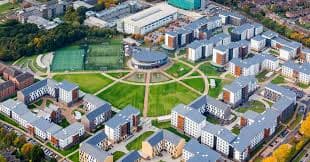

Bachelor of Diagnostic Radiography and Imaging
Course Description
The BSc (Hons) Diagnostic Radiography and Imaging at the University of Hertfordshire offers a cutting-edge education that combines health science, patient care, and advanced imaging technology. Radiographers are vital members of the healthcare team, working closely with doctors to produce images (X-rays, CT scans, MRI, etc.) for diagnosing and treating illness. At Herts, you will benefit from outstanding facilities, including dedicated imaging labs with a fully operational CT scanner and X-ray suites, as well as virtual reality simulation software that lets you practice safely before clinical placements. In fact, Herts radiography students use the latest equipment (including ultrasound machines, a simulated operating theatre with imaging systems, and a mock ward with mobile X-ray) to build hands-on skills. The teaching team consists of highly qualified radiographers registered with the HCPC, many of whom still practice clinically – so your learning stays up-to-date with real-world innovations. This three-year degree emphasizes patient-centered care, communication skills, and evidence-based practice, ensuring you graduate as a competent, compassionate imaging professional.
Course Information
About This Course
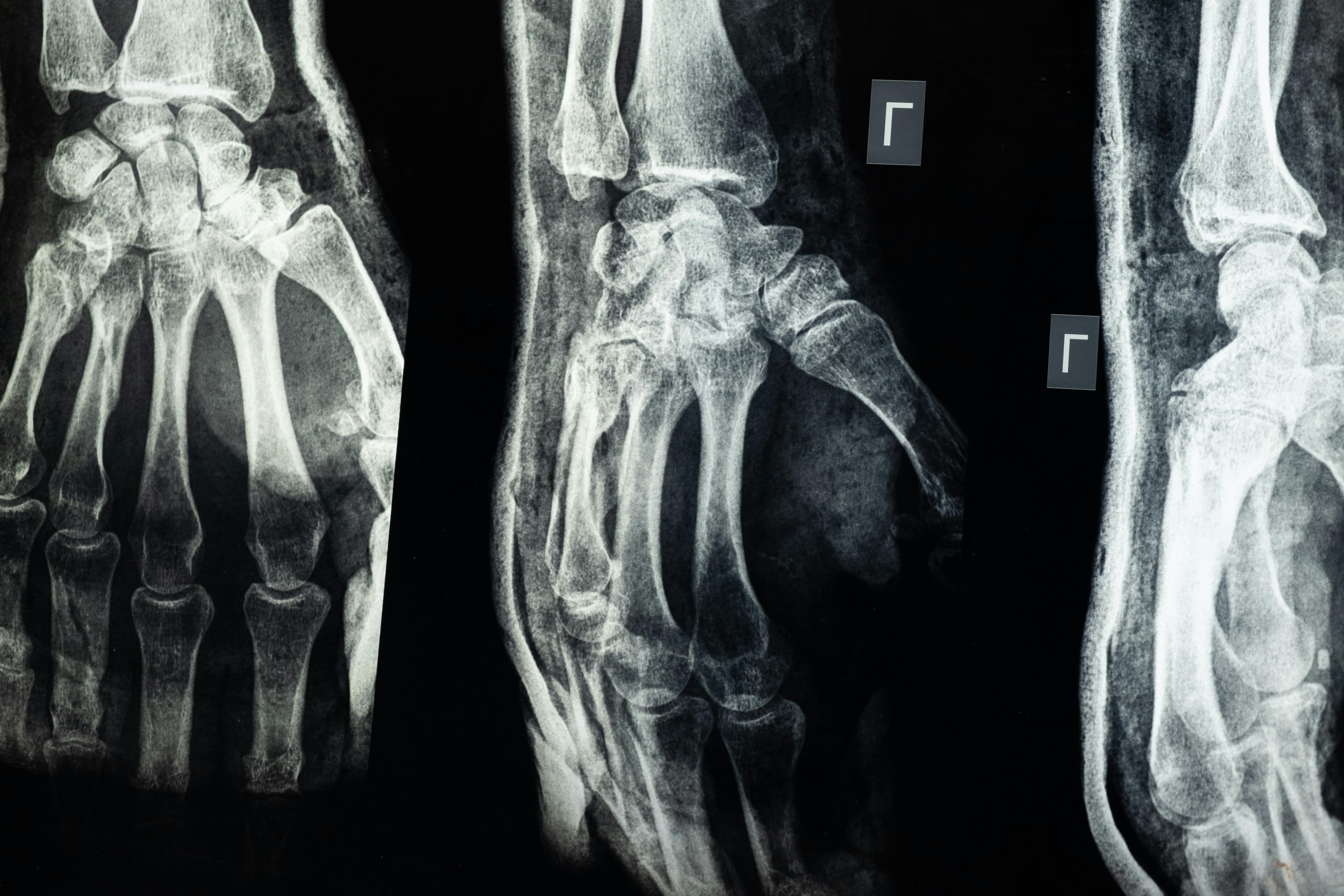
Discover Diagnostic Radiography and Imaging at Hertfordshire
Why choose Herts?
One unique selling point is the programme’s strong reputation: radiography courses at Herts are ranked 9th in the UK for health professions (Guardian University Guide 2026). UK-trained radiographers are globally recognized as among the best in the field, so a Herts degree will open doors worldwide. The curriculum covers anatomy, physiology, and pathology alongside mastery of imaging modalities, from general radiography to specialized techniques. You will also learn about research methods and innovative practices, preparing you to adapt in a fast-evolving profession.
Herts radiography students spend a significant portion of their training in real clinical environments. The University has partnerships with over 30 affiliated hospitals across Hertfordshire and surrounding regions, offering excellent and varied placement opportunities. Starting from Year 1, you will rotate through NHS hospital departments under the supervision of experienced radiographers. These placements let you apply your learning to real patients and develop confidence in a professional setting. With small class sizes and a supportive faculty, you will receive personalized guidance and feedback throughout your studies. Overall, the programme provides a well-rounded education that balances classroom theory, simulation practice, and clinical experience – exactly what you need to launch a successful career at the forefront of medical imaging. The programme is also known for its high graduation and progression rates — close to 100%, reflecting strong academic support and excellent student outcomes.
Career Prospects
Career opportunities for radiography graduates are outstanding. Once you qualify and register with the Health and Care Professions Council (HCPC) and the Society and College of Radiographers (SCoR), you can practice as a diagnostic radiographer in a range of settings. Many graduates work in hospitals (in departments such as X-ray, CT, MRI, or ultrasound) or private imaging centers. The skill set is highly transferable internationally – UK-trained radiographers enjoy exciting global career opportunities because of their excellent reputation. In the UK, radiographers often start in the NHS, which provides a clear grading structure for advancement. With experience, you can specialize further in areas like ultrasonography, computed tomography (CT), magnetic resonance imaging (MRI), or even move into radiation therapy, research, or education. Some radiographers pursue postgraduate study to become reporting specialists or consultant practitioners.
There is high demand for imaging professionals, and Herts graduates are very employable – 98% of health and social care graduates from Herts are in work or further study 15 months after graduation. Typical entry roles include Diagnostic Radiographer in hospitals, with potential to advance to senior radiographer, team leader, or departmental manager over time. Outside the clinical environment, you could work for imaging equipment companies as an application specialist, or contribute to medical research projects. The versatility of this degree is a major advantage: whether you want to work in a busy city hospital, a specialist cardiac center, a children’s hospital, or even overseas in humanitarian healthcare, radiography provides a pathway. Herts supports your career development through CV-boosting opportunities and an employability-focus in the curriculum. By the time you graduate, you will have the practical skills, professional accreditation, and confidence to “hit the ground running” in your first job as a radiographer.
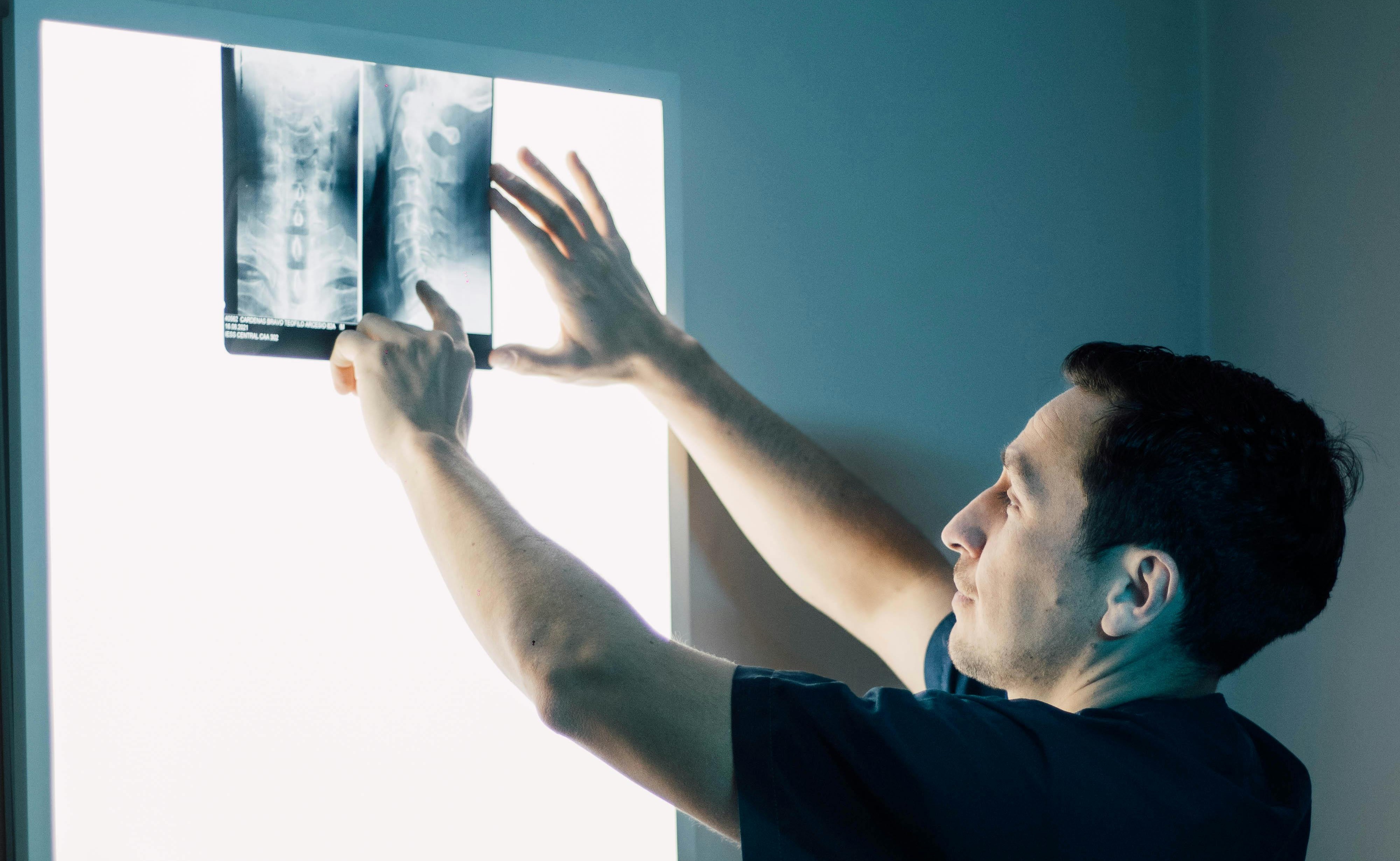
Entry Requirements
For A-level students, the typical offer is 120–128 UCAS points, e.g. BBB to ABB at A-level. You should have at least one science-related subject at grade B or above (acceptable subjects include Biology, Chemistry, Physics, Mathematics, Psychology, Physical Education, or Sociology). Two science subjects are preferred but not compulsory.
The equivalent International Baccalaureate (IB) requirement is around 30–32 points. Specifically, we look for 120–128 UCAS points in IB, which means at least two Higher Level subjects (including one science) with a score of HL5 or above. For example, an IB candidate might offer HL Biology and HL Physics (or HL Math) with one at 5 and the other at 6, alongside a strong overall diploma score.
For other international qualifications:
Hong Kong: We accept the HKDSE for direct entry. You should have a good mix of relevant subjects. As a guideline, we look for results comparable to the A-level which means best 3 subjects with 544. That might translate to having at least Level 4 in one science-related electives (for instance, Biology or another science or Maths at Level 5), plus a strong overall profile. Two science subjects are preferred but not compulsory.
China: Students from Mainland China typically need to complete an international qualification (like A-levels or IB) or an International Foundation Year, since the Gaokao alone may not be directly accepted for Radiography. If you have a year at a Chinese university or a high Gaokao score from a top tier province, please enquire – we will assess on a case-by-case basis.
Taiwan: High school students with science background and an overall percentage of 75% or above (Maths and overall science percentage being 80% or above) might be considered on a case-by-case basis.
Japan/South Korea* – These education systems require one year of university study or a foundation programme for UK degree entry. For example, a South Korean applicant might first do a year of a relevant Bachelor’s in Korea (with strong grades, say GPA 3.0+/4.5) or attend a foundation college. We also welcome SAT/AP combinations, etc., if studying an international curriculum. The key is you must show a solid background in sciences and math.
International Foundation Route:
For applicants who do not meet the direct entry requirements, Hertfordshire offers an International Foundation Year in Science or Health through Hertfordshire International College (HIC). This one-year programme provides the essential science fundamentals — including chemistry, biology and mathematics — and, upon achieving the required grades, enables students to progress to the 3-year BSc Radiotherapy programme. Progression includes a brief and friendly interview, and historically the progression rate has been very high (close to 100%) for students who attend classes and submit their coursework on time.
English language proficiency is also required. International applicants should have IELTS 6.5 overall, with no band lower than 6.5. This standard is common amongst clinical degrees in the UK, which reflects the communication skills needed in clinical roles. (The University accepts equivalent tests or grades, such as HKDSE, IB, GCE A-level, AP-SAT, to meet the English requirement.) The University also has pre-sessional English courses if you need to improve your language skills before starting the radiography course.
Finally, all applicants must be at least 18 years old by the start of the placement in January, due to the nature of clinical placements. (parental consent is needed if under 18)
Selection Process
Hertfordshire’s selection process for radiography goes beyond academics – we seek well-rounded candidates with a clear commitment to healthcare. Applications are via UCAS, and there is a January deadline (though international applicants can apply direct to Herts if spaces remain).
The admissions team will review your grades and your personal statement. It is essential to convey why you want to be a radiographer – discuss any relevant experiences (e.g. hospital volunteering, science clubs, or personal experiences with medical imaging) and the qualities that make you suited to this caring, technical profession.
Shortlisted international candidates are invited to virtual interview. The interview format for radiography is a 10-15 minutes presentation, followed by a one-to-one interview style. Students can prepare in advance and demonstrate one procedure (X Ray, CT, MRI, etc.) You should be prepared to discuss topics such as the role of radiographers in patient care, your understanding of the NHS values, and ethical or scenario-based questions (for example, how you would handle communication with a nervous patient).
The interviewers will also likely ask about your understanding of the profession. It’s a good idea to be familiar with current issues in radiography (e.g. new imaging technologies or the importance of radiation safety).
Herts will only invite you for interview if you meet both the academic requirements and submit a convincing personal statement. The process is selective, but also friendly – the faculty want to get to know you beyond your grades. If you demonstrate your passion for diagnostic imaging and caring for patients, you will have a strong chance of success.
After the interview, offers are typically conditional on final exam results.
Tuition Fees and Scholarships
Tuition fees for BSc Diagnostic Radiography (2026/27 entry) are approximately £20,850 per year for international students. The fees cover your academic tuition, access to labs and equipment, and support services. The fees do not increase each year so your first year’s tuition fee will continue to be the tuition fee throughout your whole three year of studies. Studying a radiography degree involves some additional costs, such as purchasing uniforms or textbooks and traveling to placement sites, but many clinical placement expenses within the UK are subsidized or reimbursed by the university or NHS trusts for students.
Living expenses in Hatfield (where the campus is) are moderate. It’s cheaper than living in central London – Starting from £134 a week ( all bills included – water, heat, power, WiFi, 24/7 security ). There are also opportunities to work part-time (perhaps in an optical shop as an assistant) during your studies, though during intensive clinical periods you’ll need to balance work and study carefully.
International students on a Student Visa can work up to 20 hours per week in term time, which can help with pocket money and experience.
Contact US
If you are from the East Asia region and interested to learn more about Hert’s Optometry Programme, please contact:
Ms Karen Wu
Regional Manager ( East Asia & South East Asia )
Email Address: k.wu@herts.ac.uk
Whatsapp: +852 9813 0566
Wechat: karenwukalam