
Bachelor of Diagnostic Radiography
Course Description
Diagnostic Radiography is the vital field of healthcare that uses imaging technology (like X-rays, CT, MRI, ultrasound) to look inside patients’ bodies to diagnose illness and guide treatments. Coventry University’s BSc (Hons) Diagnostic Radiography is a 3-year intensive training programme that will prepare you to become a professionally qualified Diagnostic Radiographer, ready to work in hospitals and clinics in the UK or globally. The course is approved by the Health and Care Professions Council (HCPC) and accredited by the College of Radiographers, meaning upon graduation you can register to practice in the UK and your degree is widely recognized. You’ll learn how to operate advanced imaging equipment and, equally important, how to care for patients during what can be anxiety-inducing procedures. Coventry’s curriculum covers the scientific principles behind all major imaging modalities – you’ll study conventional radiography (X-rays), Computed Tomography (CT), Magnetic Resonance Imaging (MRI), ultrasound, and nuclear medicine. We equip you with strong foundational knowledge in anatomy, physiology, and medical physics so you understand what you’re imaging and the technology involved. The course is structured modularly with an approach that often focuses on one topic at a time (with the block system of 6-week modules) – for example, you might intensely study Imaging Science and Radiation Protection in one block, ensuring you grasp how X-rays are produced and safely used.
Course Information
About This Course
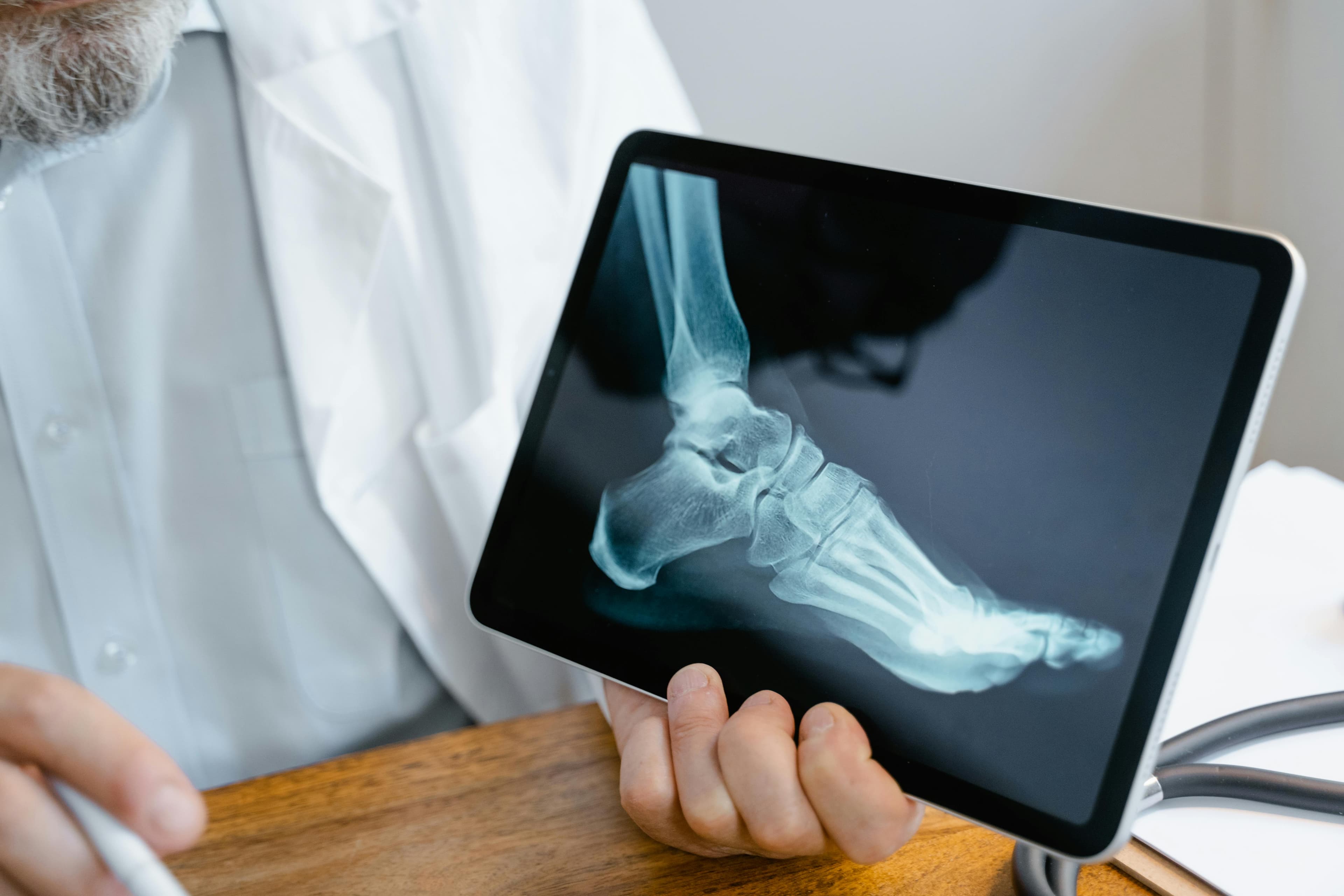
Discover Diagnostic Radiography at Coventry University
Coventry’s Strengths in Radiography:
Coventry University offers an innovative and supportive environment for radiography students. We have invested in a purpose-built Diagnostic Radiography suite on campus, so you get realistic training before heading out on placement. In fact, students often say our facilities closely mimic those they see in hospitals. We even provide an elective placement opportunity in Year 2 – meaning you might choose a special experience such as an overseas placement or a specialized imaging center, to broaden your exposure. The course emphasizes not just technical skills but also the development of soft skills and professional attributes. Radiographers work with diverse patients – children, elderly, trauma victims, etc. – so we train you in effective communication, empathy, and cultural competence.
Hands-on practice is a huge part of radiography training. At Coventry, you’ll spend time in our on-campus radiography suite, which is a fully functional X-ray room with digital imaging systems. Here, you’ll practice positioning patients (using simulation mannequins), adjusting imaging parameters, and processing images, under the guidance of tutors who are experienced radiographers. We also have computer labs for image evaluation, so you’ll learn to interpret images – identifying anatomy and spotting abnormalities. The teaching involves lectures for theory, but every concept is quickly linked to practical application. For instance, when you learn about chest anatomy in class, you’ll soon find yourself looking at chest X-rays in the lab to identify the heart, lungs, and any signs of disease. One of the exciting aspects of our course is that from the first year, you will go on clinical placements in real imaging departments. Over the 3 years, you will complete multiple placements (typically one each semester after an initial period of campus study) totaling over 1,000 hours of clinical practice. These placements take place in our partner hospitals and diagnostic centers, both around Coventry (such as University Hospitals Coventry & Warwickshire) and potentially further afield. Through placements, you’ll work with actual patients under supervision – performing X-ray exams, assisting in CT/MRI scans, etc. This experiential learning is invaluable: you’ll develop technical competence, patient communication skills, and learn workflow in radiology departments.
Coventry incorporates this through scenario-based learning and by engaging service users in teaching. For example, you might have a workshop with patient actors to practice explaining an imaging procedure to someone who is nervous or doesn’t speak much English (with interpreter scenarios), building your confidence in patient care. We also pride ourselves on fostering teamwork: as a radiography student, you’ll collaborate with peers in other health courses (like you might join nursing and physio students in certain interprofessional simulations) because in real life you’ll be part of a healthcare team. Coventry’s broader accolades – TEF Gold for teaching quality and 5 QS Stars – ensure you that you’ll be taught by passionate, highly qualified lecturers who are approachable and invested in your success. The academic staff for radiography include experienced radiographers and specialists in areas like radiation protection and cross-sectional imaging. They bring case studies and latest practices into the classroom.
Course Content and Clinical Experience:
In Year 1, you start with fundamental modules that introduce you to being a healthcare professional and the science of imaging. A typical first-year module is Imaging Science & Radiation Protection – here you learn how X-rays are generated, how they interact with matter, and crucially, how to protect patients and yourself from unnecessary radiation. You’ll cover the physics in an accessible way and apply it by practicing setting up X-ray exposures on our lab equipment (understanding concepts like dose, exposure factors, etc.). You’ll also study Radiographic Anatomy and Technique – basically learning anatomy through imaging. By viewing lots of normal X-rays of the skeleton, chest, abdomen, etc., you learn to identify structures and proper patient positioning. Early on, you’ll also be taught patient care, communication skills, and the basics of professional practice. First clinical placement usually occurs in Year 1, typically after you’ve learned the basics. It might be a 3-4 week placement where you observe and then gradually perform straightforward X-rays (like chest or limb X-rays) under supervision. Students often find this first placement is when “it all comes together” – you connect theory to practice and gain a lot of confidence.
In Year 2, the complexity ramps up. You’ll learn advanced imaging modalities: Cross-sectional Imaging (CT and MRI principles), Ultrasound and Radionuclide Imaging basics, etc. You’ll also have modules on pathology – understanding what diseases look like on images. A big part of Year 2 is Clinical Placement II, which is longer and you take on more responsibility. By this time, you should be competent in general radiography (taking X-rays) for many body parts, so on placement you might rotate through CT or MRI departments as a beginner, learn how to assist in fluoroscopy procedures (live X-ray for things like barium studies), and refine your efficiency and patient management. Coventry also gives you an elective placement option this year – some students use this to go abroad or to a specialty unit (subject to availability). It’s a fantastic opportunity to see how radiography is practiced in a different context – e.g. a student from Hong Kong might elect to spend a few weeks back home in a hospital there and count it towards placement, or someone interested in oncology imaging might spend time at a cancer center’s PET-CT department. Throughout, you’ll have academic modules that reflect on placement learning and ensure you meet required competencies.
Year 3 is about consolidation and preparing for the transition to qualified radiographer. You’ll study Complex Imaging and Interventions – learning how radiology guides treatments (like angiography, minimally invasive surgeries). You might also do a research project or audit (radiography is evidence-driven, so we teach you research skills to improve practice). The final clinical placements in Year 3 often give you a lot of autonomy – by the end, you should be handling a typical diagnostic imaging room almost independently, from greeting the patient, doing ID checks, positioning, exposure, evaluating the image for diagnostic quality, to safely discharging the patient. Of course, a qualified radiographer supervises, but they often treat you like a new colleague by this stage. It’s also in final year placements that many students are observed by prospective employers (many NHS trusts hire their student radiographers post-qualification). We also cover professional development topics like how to handle on-call work, how to keep learning new techniques, etc. By program’s end, you’ll not only have a degree but also the clinical portfolio and confidence to step into a radiographer role seamlessly. Coventry’s programme meets all the requirements of the Society and College of Radiographers education standards, ensuring you’re fully ready for registration.
Career Prospects:
As a Coventry-trained diagnostic radiographer, your career outlook is excellent. The UK’s National Health Service is actively seeking radiographers – in fact, more than half of radiology department leaders report they need more diagnostic imaging staff to keep patients safe and meet demand. This means you’ll find many job openings upon graduation. Commonly, our graduates take positions as Band 5 Radiographers in NHS hospitals. In these roles, you’ll work in the Imaging (Radiology) Department performing a variety of scans: general X-rays, A&E/trauma imaging, assisting in theatre with mobile X-ray or C-arm, CT scanning, etc., depending on the rotations within the department. There’s a clear career ladder: with experience and perhaps specialization, you can advance to Band 6 and Band 7 (senior radiographer roles, often specializing in CT, MRI, or interventional radiography). Some may become Reporting Radiographers – with extra training, you can actually interpret images and issue reports like a radiologist for certain exam types. The skillset you gain is also transferable to many contexts. Outside the NHS, there are growing opportunities in private diagnostic centres, which might be standalone clinics offering MRI/CT scans to patients outside hospital settings. Companies like Alliance Medical or InHealth recruit radiographers for their centers across the UK and Europe.
Coventry ensures you are job-ready: our course integrates employability skills (CV workshops, interview prep), and even during placements, you’ll network with potential employers. By the time you graduate, you’ll have not only a degree but also professional registration, clinical experience, and likely multiple job offers. The University’s Career Services and faculty mentors will support your next steps – whether that’s landing a job in the UK (international graduates can now benefit from the UK post-study work visa to gain experience) or taking your skills back home. Additionally, Coventry has an excellent reputation for radiography – local employers know that Coventry grads are well-trained. Our recent graduates have gone on to work in NHS trusts across the country and abroad, and some have even won awards (like Radiography Student of the Year in professional circles). So, you can be confident that career prospects are bright, with diverse paths in clinical practice, specialization, management, or international work open to you.
Entry Requirements & Pathways:
Diagnostic Radiography at Coventry expects students with a strong background in science and math, and good problem-solving skills. Here’s what we look for from various systems:
A-Levels: Our typical requirement is BBB at A-Level with at least one science subject (Biology, Physics or Chemistry). Having Physics and/or Maths is very useful due to the technical nature of the course, but not mandatory if you have one science. General Studies isn’t counted. We also need 5 GCSEs at grade 4/C or above including English Language, Maths, and Science (double science or Physics). This ensures you have the baseline in those subjects.
International Baccalaureate: We ask for 30 points overall. You should have at least one Higher Level science or maths subject (e.g. HL Biology, HL Physics, or HL Maths) with a score of 5 or above. For instance, if you have HL Physics 5, HL Math 5, that’d be great. SL subjects we consider for the total points. Again, ensure your IB includes sufficient science content or else highlight other certifications.
Hong Kong HKDSE: 444, We normally expect Level 4 in one of the science subjects (Physics, Chemistry or Biology) and at least Level 4 in four other subjects. That should include Mathematics and English. For example, a profile of [4 (Physics), 3 (Maths), 5 (English), 4(another elective)] could meet requirements. If you have M1/M2 (extended maths) that’s a bonus but not required. Due to the competitive nature, having one or two Level 4/5s will strengthen your application for radiography.
Mainland China: Direct entry with Gaokao is possible if you have an excellent overall score (~75-80%+), especially with strong marks in science subjects. If you are from a province with a total of 750, scoring above 600 would make you a very competitive candidate. We will also look at your high school transcript (Xueye Chengji) if provided.
Taiwan: High school graduates with 80% average and a focus in science are encouraged to apply. If you attended a science-heavy curriculum or have taken the Taiwanese Technological and Vocational Education exams, we’ll consider those results. We also accept applications from graduates of Taiwanese junior colleges or yi zhuan (2-year diploma) programmes in relevant fields for Year 1 entry, if grades are good.
Japan: As with our other health courses, Japanese applicants typically need additional qualifications beyond high school. If you’ve completed a 2-year Senmon Gakko (technical college) diploma or some university coursework in science, you could gain entry.
South Korea: We’d look for either a Junior College diploma in a science/engineering or nursing field (with a C+ or better), or completion of at least one year of a bachelor’s in Korea with strong grades in relevant subjects.
Other International Qualifications: We accept a wide range – for example, an American high school student should have AP exams (score 3+) in sciences or SAT subject tests plus a good GPA. Each country has its own guideline which we detail on our website or through our regional offices.
For all international students, IELTS 7.0 (with no band below 6.5) is mandatory for Diagnostic Radiography. This is because accurate communication is critical – when you’re in an X-ray room, you must clearly instruct patients and collaborate with doctors. If you haven’t yet reached that score, we can issue conditional offers and you can work on English in the meantime.
Selection Process:
Like other health courses, we want to select students who not only have the grades but also the right mindset for patient care and technical work. After you apply via UCAS, we may invite you for an interview (commonly required for radiography). Coventry’s process for radiography usually involves a panel or one-on-one interview with questions about your understanding of the profession and scenarios to gauge your reactions. For example, we might ask, “What do you think is the role of a diagnostic radiographer in patient care?” or present you with a scenario like dealing with a young child who is scared of the imaging machine – how would you handle it? We understand international students might not have had chances to shadow radiographers, but do your research – mention how radiography fits in diagnosing diseases, maybe note the balance of tech and patient interaction attracted you. We also value problem-solving ability and attention to detail (vital for operating complex machines safely). So a question could be, “How do you ensure safety when working with radiation?” Expect that we want to see you know about radiation protection principles (perhaps mention lead aprons, distance, ALARA principle – as low as reasonably achievable) even at a basic level. Another common area: teamwork and communication. Radiographers often work with doctors (radiologists) and other staff as a team. So we may ask for examples of teamwork or how you handle communication challenges. Since this is a somewhat physically demanding job (moving equipment, assisting patients in wheelchairs or beds), having some awareness of the job’s practical nature helps – you could mention you’re prepared for shift work or being on your feet, etc. If interviews are online for you, check your tech and ensure you’re in a quiet environment. Also, pre-interview, it’s great to have some insight – if possible, talk to a radiographer or watch videos about “a day in the life of a radiographer” (there are some on YouTube by NHS and others). This gives you talking points and shows initiative.
Aside from interviews, we look at your personal statement and reference. A strong personal statement might highlight, for example, how you excelled in physics class project (showing interest in imaging physics) or volunteered at a local clinic (showing you like patient interaction). If you have visited an imaging department or had an X-ray/scan yourself, reflecting on that experience and how it inspired you can be unique. Coventry recommends applicants try to get an observational visit to a radiology department if possible – we know this can be hard for high schoolers, but even a short visit gives perspective. If you mention an attempt or what you learned, it stands out.
After the interview, if you’re successful, we’ll make a conditional offer (or unconditional if you already meet the criteria). Conditions usually are achieving the required grades and English test, plus later on completing occupational health and background checks.
Scholarships & Funding:
Coventry strives to make education accessible. As mentioned in previous sections, international undergraduate students can benefit from the Vice-Chancellor’s Scholarship (£4,000) for the 2025/2026 intake – it’s likely similar support will continue for 2026.
Coventry also has country-specific discounts sometimes – e.g. in some years we offered discounts to students from specific regions as part of partnerships. Keep in touch with our international office for announcements. We also offer merit-based scholarships – for example, if your grades when you finish school are significantly above our requirements, you might be awarded an extra scholarship (often £1,500). These are limited, so high achievers should apply early to be considered.
On living cost front, as mentioned, Coventry is affordable. There are cheaper accommodation options like living in Coventry University-owned halls which range in price, or private housing after first year which is quite reasonable. Many international students also work part-time (the student visa allows 20 hours a week) – radiography students have busy schedules (especially on placements, which are like working hours), but some manage weekend or evening shifts in retail or as student ambassadors to earn a bit. The university’s Talent Team can help find safe part-time roles. With careful budgeting and scholarships, financing your study is doable and we’ll help where we can.
Contact US
If you are from the East Asia region and interested to learn more about Coventry’s Diagnostic Radiography Programme, please contact:
Ms Kelly Yung
Regional Manager ( North Asia )
Email Address: ad9764@coventry.ac.uk
Whatsapp: (852) 9202 4096